Key Takeaways
- Start with local market benchmarking, not guesswork—pricing without comps leads to lost revenue or low occupancy.
- Build a true competitive set (compset) using similar properties, not the entire city.
- Map seasonality and event-driven demand cycles early, so your pricing strategy adapts throughout the year.
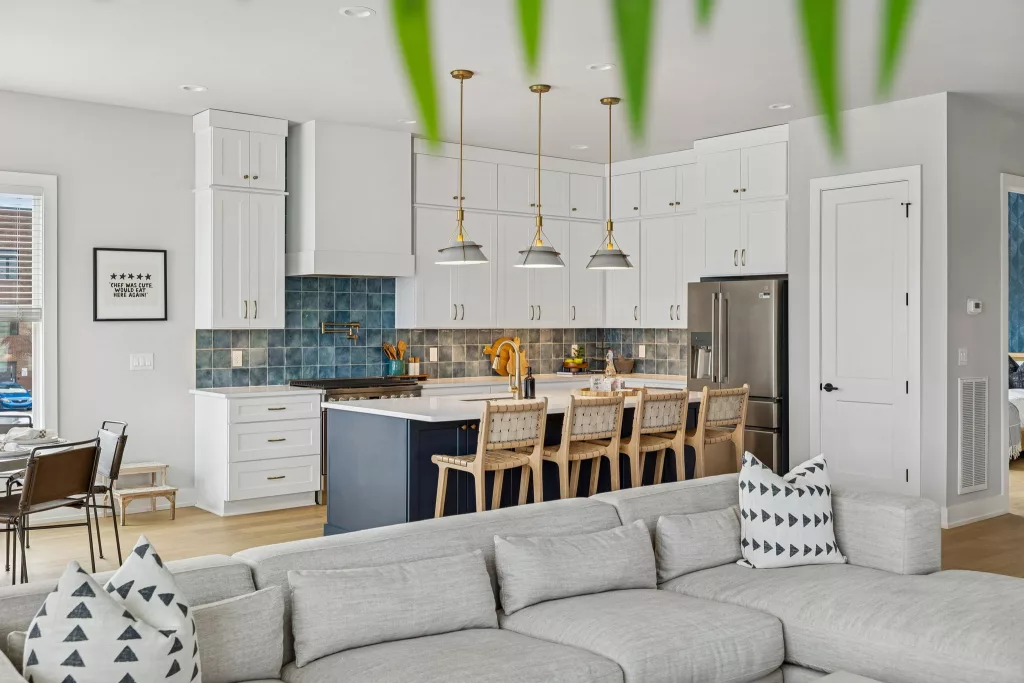
Setting the right Airbnb price is one of the most important decisions a short-term rental owner makes. Prices too low, and you leave revenue on the table. Prices too high, and your calendar stays empty.
There isn’t a single formula that works everywhere. Strong pricing comes from a repeatable market analysis process that adjusts with demand, competition, and seasonality.
Here’s how experienced hosts—and professional managers—approach pricing before entering their first nightly rate.
Analyse Your Local Market Before Setting Any Price

Before opening the Airbnb pricing panel, your first step should always be understanding your local pricing landscape.
Setting rates without market context is one of the most common mistakes new hosts make. Even a well-designed property can underperform if it’s priced outside the expectations of nearby comparable listings.
Start by identifying:
- Typical nightly pricing in your neighbourhood
- Differences between weekday vs. weekend rates
- Seasonal shifts across the year
- Pricing tiers based on property quality and amenities
Your goal isn’t to match competitors exactly. It’s to understand where your property fits within the market hierarchy.
Build Your Real Competitive Set (Compset)

Your competitive set includes only properties that guests would realistically compare with yours. Not every listing in your city is your competition.
For example:
- A studio apartment doesn’t compete with a four-bedroom house
- A luxury lakefront property doesn’t compete with a suburban unit
- A business-district stay performs differently from a leisure destination listing
Instead, identify properties with similar:
- Guest capacity
- Location characteristics
- Interior quality level
- Amenities and layout
- Target guest profile
How to Build a Reliable Compset
Use Airbnb search filters to narrow results:
- Select your neighbourhood or immediate area
- Match guest capacity
- Filter for key amenities (parking, washer/dryer, outdoor space, workspace)
Then:
- Choose 8–12 comparable listings
- Record their weekday pricing
- Record their weekend pricing
- Record peak-season pricing
- Review their availability over the next 30 days to estimate demand strength
Understand Your Destination’s Seasonality

Every short-term rental market follows its own demand rhythm. Even two cities in the same country can behave very differently depending on tourism patterns, business travel demand, climate, and events.
Before setting pricing, map the timing of:
- Natural Demand Peaks
- Recurring Local Events
- Predictable Low-Demand Periods
- Weekday vs Weekend Patterns
Why Market Analysis Matters Before Pricing Your Airbnb

Strong Airbnb pricing starts with understanding your market—not guessing your rate.
When you benchmark the right competitors and track seasonality early, your property is positioned for better occupancy and more consistent revenue from the start.
At Lunabase, pricing is treated as an ongoing strategy shaped by real market signals—not a one-time setup—so listings stay competitive as demand shifts.
If you’d like a clearer view of how your property compares in today’s market, speak with the Lunabase team about a performance-focused pricing strategy for your listing.